Wednesday, April 27, 2022

Signs Your House Needs Electrical Inspection

electrical contractors Sydney


How often should you schedule an electrical inspection? It’s important to keep an eye out for signs that your house may need to be inspected sooner rather than later, in order to prevent any accidents from occurring. Some of the biggest warning signs that your home may require electrical inspection. In fact, electrical inspections are a must for every home, but knowing when to schedule one can be difficult. Don’t worry; we’ve got our electrical contractors Sydney covered with these signs that indicate your house needs electrical inspection.

Hot Outlet

Whenever you touch an outlet in your home and it feels hot, there could be a serious electrical problem. If you notice more than one outlet getting unusually warm, don’t just write it off as a fluke. It’s possible that something is short-circuiting and heating up around your outlets.  If left unchecked, it could catch fire. Any time you notice an appliance or fixture giving off too much heat, bring in an electrician Sydney to investigate further.

Problems with Existing Fixtures

Have you noticed flickering lights or dimmer switches that don’t seem to be working correctly? These signs could indicate an issue with your electrical system. It’s also important to consider whether you have any problems with outlets, dimmers or other fixtures. Any of these issues might be a sign that something is wrong and should be checked out by a professional. You can save money and avoid potential problems by taking action early on.

Dimming Lights in One Room

If you’re experiencing dimming lights in one room, it could be a sign that your house’s electrical wiring is old and faulty. Many homes built prior to 1970 are outfitted with knob-and-tube wiring, which can malfunction and cause electric shocks or fires. If you have older lights in your home, consider having electrical companies Sydney perform a thorough inspection before it’s too late.

Light Switches That Don’t Work

If you turn on a light switch and nothing happens, you’ve probably got an electrical problem. The most common problem is a blown fuse, which can be solved by replacing it with another fuse of equal amperage (look for your current fuse rating on its side). If that doesn’t solve it, you’ll have to have an electrician replace your blown circuit breaker. Don’t keep using a breaker once it fails or short-circuits—you could cause bigger problems!

A Tripping Breaker

A tripping breaker is an indicator that electrical issues are brewing, but if you catch it in time, you can resolve them before they become a full-blown problem. If your lights and outlets trip a lot, consider calling in an electrician for an inspection. Even if there’s no immediate danger lurking behind your outlets, flickering lights are often a sign of damaged wiring or sockets.

If you notice any of these signs, please speak to the electrical companies Sydney and schedule an electrical inspection to find the cause and fix the issue before it escalates into a major problem.

Monday, December 6, 2021

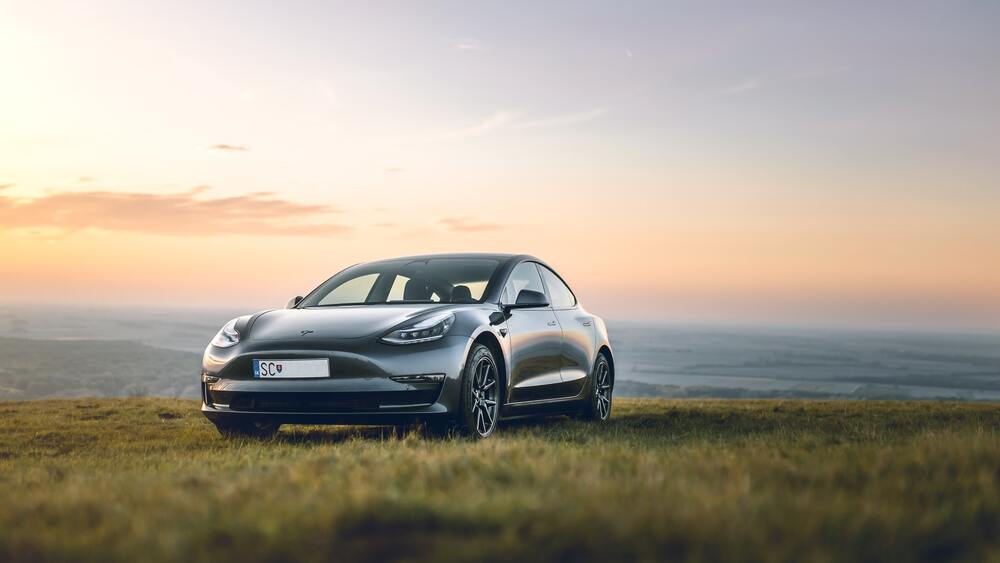
How Long Can You Leave Your Electric Vehicle Inactive For?

Featured Image

One of the major resistances of owning an electric vehicle is charging your electric car, but how about not charging it? How long can you leave your EV inactive, and how much charge will you lose? Keep reading to find out.

Anything being left unused for too long may develop issues, which goes for internal combustion cars too. Whilst most people use their car every day, some people may do a fair bit of travel throughout the year and/or recently go nowhere because of the travel restrictions. So is an electric vehicle more beneficial because there are fewer moving parts?

In short, yes. Because of the reduced mechanical components on an electric vehicle, the major serviceable element on an electric car, other than topping it up with washer fluid once a year, is the condition of the battery.

If you know you are going to be leaving your EV undriven for an extended time, here is a list of things you need to consider:

Where to store the car

If there is one thing lithium-ion batteries don’t like, it is hot weather. Especially in Australia, where summer could reach up to 40 degrees in extreme cases, the battery may suffer a slight but irreversible loss of its total capacity. However, this degradation is relatively insignificant compared to the wear caused by the constant charging and discharging of the batteries. Nevertheless, it’s recommended that you always try to store an electric vehicle undercover to shield it from the natural elements.

Should I leave the car plugged in?

It is important to note that even when an EV is not being driven, the battery will still discharge very slowly to power the onboard electronics. The battery can discharge at a rate of approximately 1 per cent per day. However, the discharge rate may vary depending on environmental factors (such as hot weather) and vehicle configurations (such as activating sentry mode on Tesla).

Some car manufacturers such as Hyundai and Tesla claim that you can leave the car plugged during inactive use as the car’s battery management system will still ensure everything is kept in check. Other EV manufacturers, such as Nissan, recommend leaving the car unplugged for the duration of inactivity.

As a standard rule of thumb, it’s recommended that the battery level is always maintained between 50% – 80%. Whether to leave the car plugged in or not, this is best to refer to the manufactured guidance as all electric cars are made differently and may have different battery management systems in place.

What charger will I need?

The best way to charge your car over an extended period is a trickle charger. Most electric vehicles come with a 10amp Portable Charger, also known as a trickle charger, from the manufacturer. These are designed to plug into a standard 10 amp powerpoint and provide approximately 10km of driving range per hour of charge.

At the end of the day, whether you leave your electric car plugged in or not, the combined safety feature of the charger and the onboard battery management system is smart enough to stop and start charging sessions to ensure minimal damage to the battery. The main factor to consider is ensuring the car is stored in a secured environment where temperatures are moderate.

To find out more about which charging solution is best for your particular application, feel free to reach out to the team at evse.com.au, and one of our EV experts will be able to guide you through the products and find the most suitable solution for you.

Signs Your House Needs Electrical Inspection

How often should you schedule an electrical inspection? It’s important to keep an eye out for signs that your house may need to be inspected...